


Thoughts and musings
I always get excited ahead of the new academic year. It may take a few weeks to kick in, once I have had a bit of a disconnect from the madness of the summer term and a moment to unwind. I can usually feel little moments of giddiness creeping in. These, in themselves, are the glimmers. The response I may have from reading a text. The idea that forms from listening to a podcast. The inspiration that seeps in from going on a walk, sitting in the sunshine or chatting with friends (most of whom who aren’t in education, but who are in the business of recognising the meaningful and the feeling of ‘flow’ in life).
In addition to my summer suggestions1, I have been reading 3 books which have all amalgamated together in my mind to truly get me thinking about important preparations for the next school year. These books are:
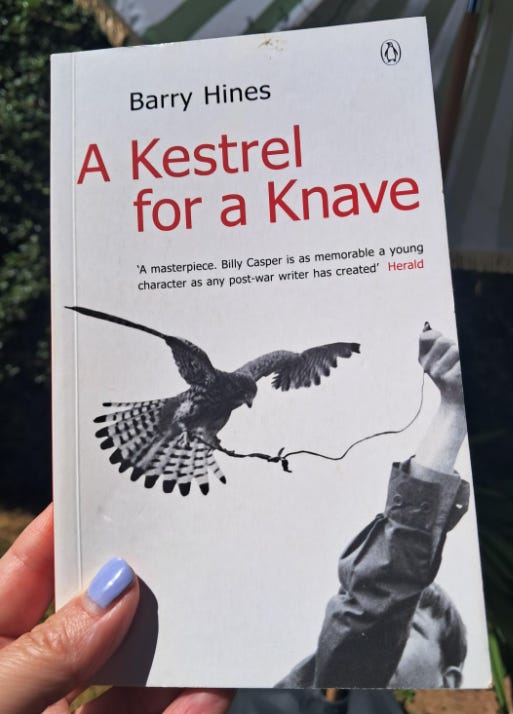

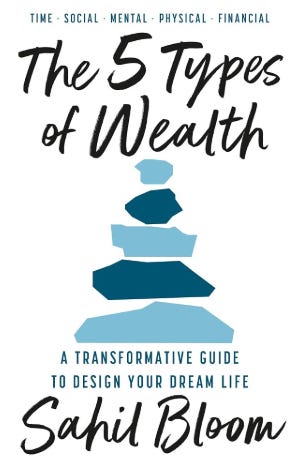
What has united the themes and explorations within these books is the importance of ethos and intention. Connection with what matters. These are not books about theory or practice. They are texts which invite you to feel deeply and think carefully about what it means to be human. What considerations of qualities of life, of empathy and of care can be taken to create conditions for ourselves, and others, to thrive. To harness the possibility of glimmers.
Ideas and practical suggestions
So what do these books, and their messages, have to do with preparations for the start of the new academic year? Below are two suggestions which I hope can be implemented with minimal time spent preparing. Think of these more as considerations as you ponder over the ethos which you would like to nurture (for yourself and your pupils) in the coming weeks and months.
1. Ethos for your pupils
I recently finished the book ‘A Kestrel for a Knave’, gifted to me by the ever-thoughtful Hywel Roberts. I wrote about my initial takeaways and invited others to do the same on LinkedIn. Do have a read and, as always, let me know of your own experiences with this enduring story. One particular conversation on the thread reminded me of a ‘glimmer’ I wrote almost two years ago, ‘Walking the talk’:

Within this ‘glimmer’ I reflect on what I thought ethos to be when I first entered into the profession. A set of words which introduced my personal stance on my CV. A surface-level offering created by jazzy displays which took most of the summer to create (and were peeling off the wall, often untouched or engaged with) by Christmas.
During the quiet moments of the summer break, there is an ideal opportunity to return to why you joined the profession and what it is you really want to instil in the children who you have the privilege to teach. To quieten the noise. To think carefully about the children who are sat in front of you. To consider what their lives are influenced by now and how they are lived, as Frank Cottrell-Boyce explores in his thought-provoking and heartfelt set of reflections and recounts collated in ‘A British Childhood: How Our Children Live Now’.
2. Ethos for yourself
So often missed, so incredibly important. I have previously shared accounts of my first experiences in the profession. The formation of my ‘teacher identity’. The realisation that I was living my dream, and I allowed this dream to swallow me whole. I was young, naive and passionate. By Christmas, I was burnt out. We have an important responsibility to ourselves, and to each other, to form teacher identities which co-exist with our wellbeing and wider interests and personalities.
The concept of mattering is helpful to explore when we are considering ways in which we embed a positive ethos for ourselves and those who work alongside us.2 As is the curation of helpful and healthy habits and a curation of balance which ensures that our own physical, mental and emotional health sits at the forefront when entering each new day or week.
Through reading Sahil Bloom’s ‘The 5 Types of Wealth’, I have developed my thinking around personal and professional ethos even further. I have always found the concept of ‘time’ challenging. A feeling of running out of time, tasks taking too much time and of course the classic (and let’s face it, the true) “there’s just not enough time in the curriculum!” conversation. What I enjoyed about Bloom’s suggestions, and his recognition of the wealth we are afforded with time, was the idea of colour-blocking weekly tasks into:
Management (meetings, emails, team & people)
Creation (writing, building, preparing, imagining)
Consumption (reading, listening, studying)
Ideation (journaling, mind-mapping, walking, self-reflection)
These concepts spoke to me. They also sit nicely aligned with Stephen Covey’s ‘Time Management Matrix’ (as referenced and explored further in the Habits ‘glimmer’ - linked above). Bloom’s observation is that many of us will spend too much time in the management-style tasks and not enough in the creation, consumption and ideation. Yet, it feels that this is where many glimmers may be found. In the ‘not urgent and important’ box, which Covey deems to be the at the heart of our personal drive and mission. In the building, and the living, of our ethos.


I love the notion of time as a currency. Will lean into that one for sure! X
Love the Covey Matrix!! though I have mistakenly called it the Eisenhower Matrix before!!